
Poles and towers
Visible structural condition, hardware arrangement and areas requiring closer review.
Drone-based thermal and high-resolution visual data collection for transmission and distribution infrastructure, supported by engineering review and prioritised reporting.
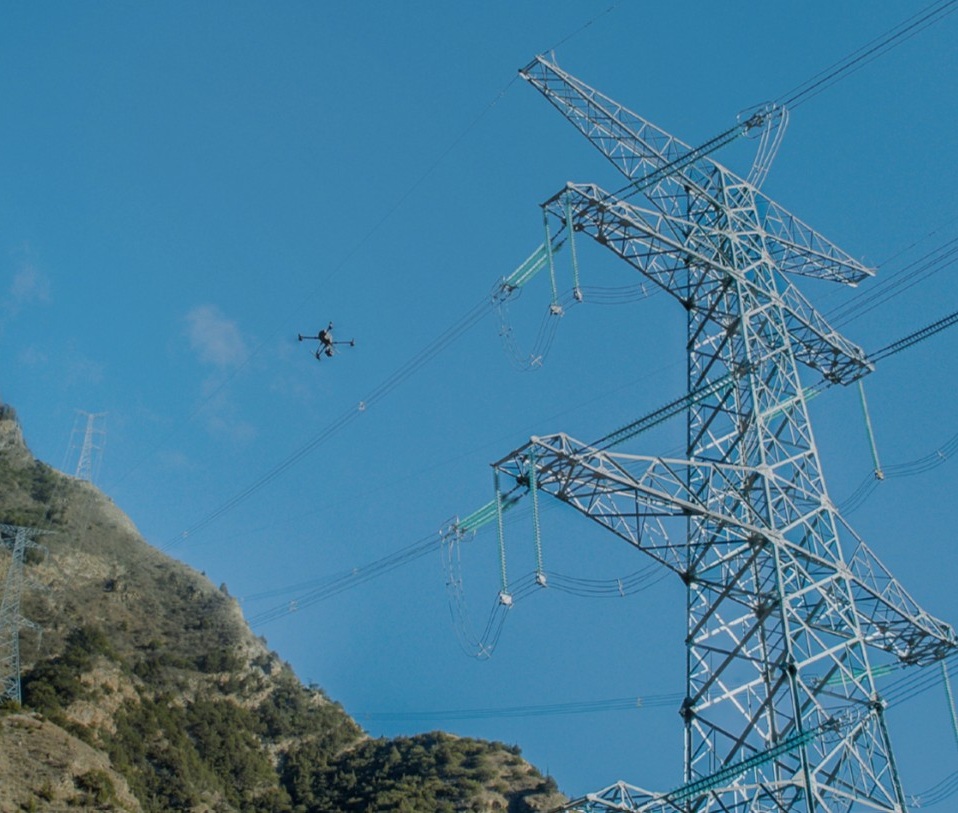
Drones can capture close visual and thermal evidence from elevated, remote or difficult-to-access line assets. The inspection plan is developed around voltage level, operating status, access, terrain, flight constraints and the client’s objectives.
Scope and capability statement: ThermoSky will confirm the sensors, flight method and deliverables for each project. Ultraviolet corona inspection, LiDAR, automated defect recognition or other specialised capabilities are not included unless specifically quoted and supported by the required equipment.
The exact asset list and required viewpoints are agreed during inspection planning.
Visible structural condition, hardware arrangement and areas requiring closer review.
Temperature comparison of clamps, jumpers and connection points under suitable loading.
Visible abnormalities, fittings, spacers and other line components within the agreed scope.
High-resolution observation of insulators and associated hardware from planned viewpoints.
Condition evidence for mechanical components, attachment points and fittings.
Encroachment observations, access concerns and visible clearance issues for review.
Thermal data can support the review of loaded connectors, joints, clamps and other current-carrying interfaces. Interpretation considers loading, emissivity, viewing angle, weather and comparison with equivalent components.
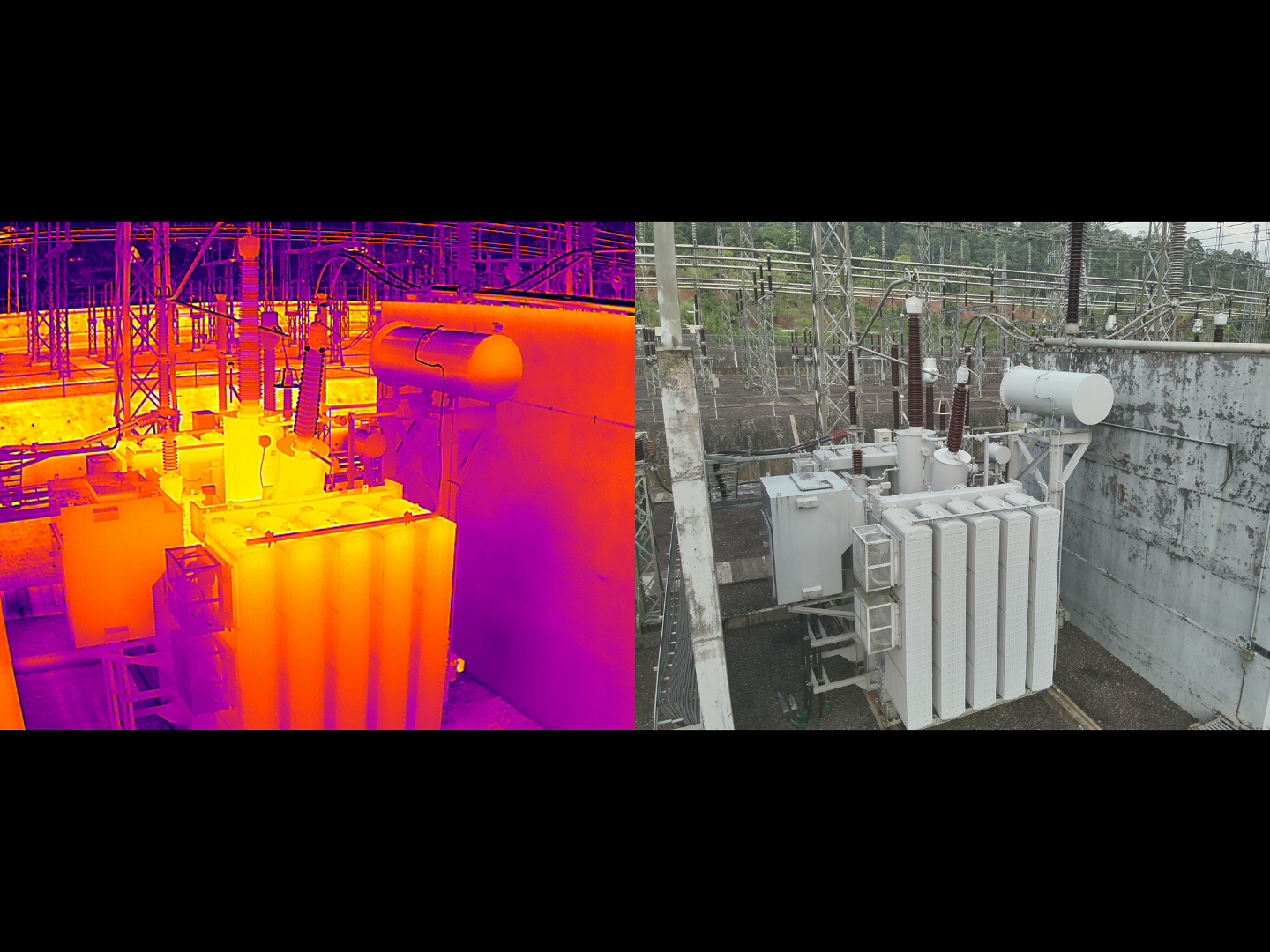
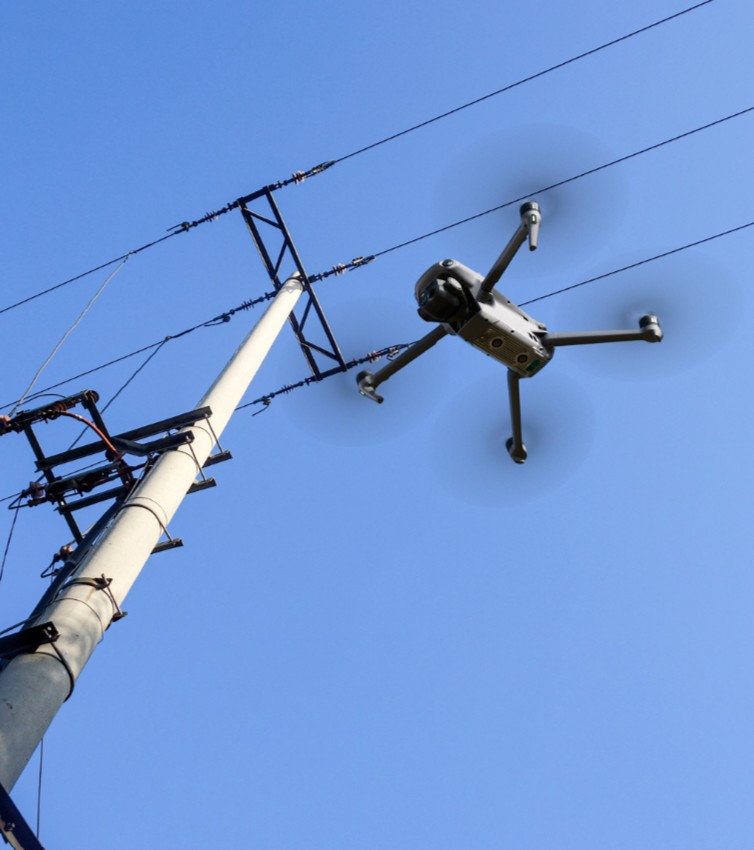
Planned viewpoints can provide evidence of visible component condition and help direct where detailed field inspection is most valuable.
Insulators and fittingsReview visible damage, irregularity, contamination or missing components where image quality permits.
Structures and hardwareObserve corrosion indications, displaced parts and structural areas that warrant closer assessment.
Conductors and attachmentsCapture visible evidence around clamps, jumpers, spacers and attachment points.
Vegetation and accessDocument corridor conditions for clearance review and maintenance planning.
Electrical line work requires careful coordination. ThermoSky confirms access, hazard controls, flight restrictions, operating conditions and data requirements before mobilisation.
The line voltage, energisation state, loading and required safe clearances affect the mission.
Access points, vegetation, terrain, structures and line length influence flight planning.
Site controls, airspace requirements and coordination responsibilities are defined in advance.
Target components, image resolution, thermal requirements and asset identification are agreed.
Deliverables are agreed before the mission and may include asset references, geotagged imagery, thermal observations, condition notes, priorities and recommended follow-up actions.
Tower, pole, span, structure or component identification where available.
Thermal and/or visual images with clear annotations.
Concise description of what is visible and relevant limitations.
Suggested level of review based on apparent significance.
Recommended field verification, monitoring or maintenance consideration.
Provide the voltage level, route length, asset type, location and the inspection concern. ThermoSky will review the practical scope and required outputs.